
美梦成真
Uber/Lyft与政府停牌有牵连,目前尚未收到IPO文件的反馈。_我的网站

一 | 据知情人士透露,1月10日,彭博社报道,优步和Lyft尚未收到美国证券监管机构就其秘密提交IPO文件的反馈。
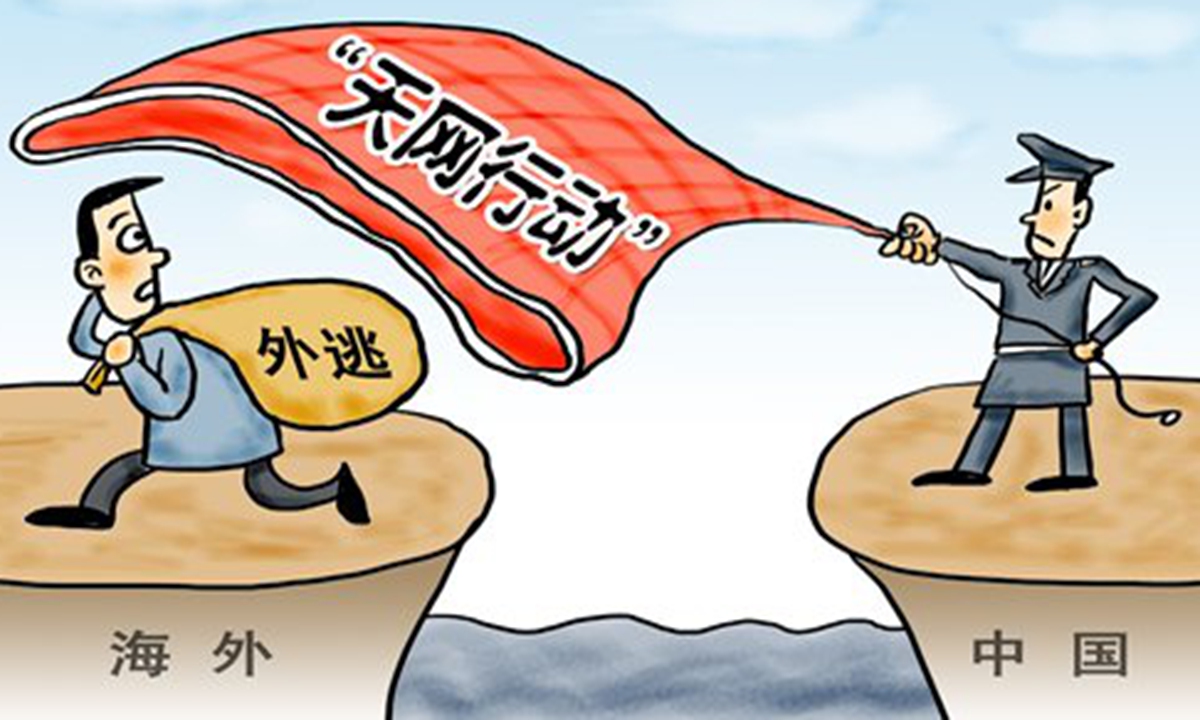
Chinese lawmakers began reviewing a draft law on combating cross-border corruption on Tuesday, a legislation which experts believe would help close legal gaps in investigating overseas corruption, pursuing fugitives and recovering illicit assets, while strengthening international cooperation and corporate compliance.
The draft was submitted for its first reading to the ongoing session of the Standing Committee of the National People's Congress, the country's top legislature, per Xinhua News Agency.
Huo Zhengxin, a professor at the China University of Political Science and Law, told the Global Times that the draft law represents a dedicated piece of legislation within China's anti-corruption legal framework and a major step forward in the country's law-based governance of foreign-related affairs. It will fill a legislative gap in combating cross-border corruption, Huo said.
As Chinese companies expand business overseas, cross-border corruption cases face challenges in obtaining evidence abroad, pursuing fugitives and recovering illicit assets. Existing anti-corruption laws have faced limitations in addressing such cases involving foreign affairs, making such dedicated legislation necessary, Huo said.
Structured into six chapters and 47 articles, the draft sets out the principles, scope and key provisions underpinning China's efforts to combat cross-border corruption. It also defines relevant operational mechanisms and institutional responsibilities, and seeks to strengthen case handling and international cooperation.
The draft further clarifies enterprises' obligations regarding integrity and compliance, and specifies legal liabilities for violations.
As one of the experts involved in drafting the legislation, Huo said a key innovation of the draft is to strengthen international cooperation and corporate integrity and compliance obligations. As evidence, suspects and illicit assets in cross-border corruption cases are often located overseas, the draft provides mechanisms including extradition, mutual legal assistance and repatriation, while aligning with relevant rules under the UN Convention against Corruption (UNCAC), said the expert.
The draft also makes clear that Chinese companies operating overseas, including both state-owned and private enterprises, have legal obligations to uphold integrity and compliance with domestic laws, Huo said.
The legislation would also codify practices accumulated through China's past campaigns against cross-border corruption, such as Sky Net and Fox Hunt operations, turning them into a more systematic legal framework and strengthening the law's deterrent effect, according to Huo.
The draft law is a practical step to regulate the development of cross-border businesses and help build a world-class business environment aligned with market principles, the rule of law and international standards, Xinhua noted.
It is also expected to expand the legal tools available to combat cross-border corruption and help address challenges in detecting corruption, collecting evidence, recovering illicit assets and securing convictions, according to the report.
In January, CCTV News reported on the case of a former senior executive of China National Offshore Oil Corporation, who was accused of accepting large amounts of bribes that were concealed overseas, with a businessman allegedly acting as a "front" to collect the illicit payments.
The draft's explicit corporate integrity and compliance requirements would make it harder for individuals to disguise bribery and other corrupt practices through overseas projects in an attempt to circumvent domestic oversight, while further clarifying the extraterritorial reach of China's anti-corruption laws, Huo said.
The draft also contains provisions to counter the use of foreign countries' domestic anti-corruption laws to exercise "long-arm jurisdiction" over Chinese companies, which Huo described as another important innovation in China's foreign-related legal framework.
China has been deepening its efforts in international anti-corruption cooperation, with 963 corrupt fugitives repatriated to the country in 2025, according to a work report from the country's top anti-graft body, Xinhua reported.
。两家公司的IPO文件受到美国政府停牌的影响,到目前为止还没有后续行动。

二 | 早些时候,美国总统特朗普就南部边境墙问题进行的谈判导致美国政府部分关闭,从而减少了证券交易委员会(SEC)的可用资源。这一事件导致SEC推迟了IPO文件的处理。Uber和Lyft这两家出租车公司是致命的竞争对手。他们的上市可能创造今年最大的两家IPO。知情人士表示,他们相信,政府的关闭可能会减缓IPO进程,这取决于美国证券交易委员会何时重新开放以及它做出的具体回应。优步和Lyft都在寻求今年上半年的IPO。两家公司的发言人均拒绝置评。美国证券交易委员会表示,它鼓励提交公司在交易结束前与他们联系,以加快交易进程。据了解,美国政府的关闭导致数十万名政府雇员休假或免费工作,这可能对各种规模的交易产生影响。许多将出席2019年CES开幕式的美国高管也因政府停职而暂时取消了活动。

三 |
Current article:http://au0c.shuazhepenxingshuaisenqienai.buzz/wrd235/20260826/207.html
Published on:07:31:50